

• Home
  • Contact Us
  • Services
  • Consultation
  • Quote Form
  • History
  • Educational
  • Photo Gallery
  • Mulch
  • Ask the Expert
  • Testimonials
  • Articles


Ickes Tree Service

Services


You must be in Edit Mode to enter content, and then you can use the Module Action Menu or Module Action Buttons to manage content
Tree Pruning

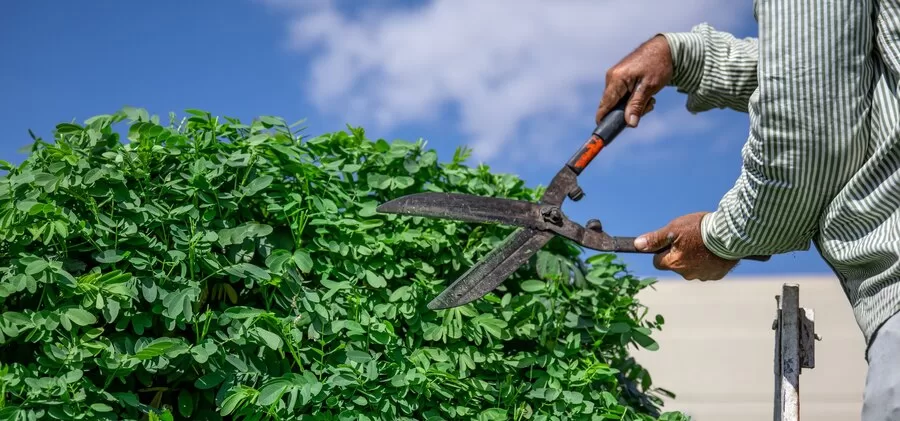
Tree pruning is one of the most important but under appreciated services that can be done to a tree. Pruning removes dead wood that can fall and damage property or persons. Pruning removes crossing limbs, cracked limbs, limbs with excessive decay, and sink limbs. Proper pruning includes removing limbs at the branch bark collar using the three cut method, thereby avoiding tear-down wounds and nub cuts that can lead to decay. Here the branch can heal over faster.

It's important to remember that any wound paint or sealant is bad for the tree. Wound sealants slow wound healing and can promote decay.

Key Benefits

  • Reduces the risk of storm damage
  • Can be used to train growth patterns of young trees 
  • Removes weak, dead, storm damaged, diseased, or interfering branches  
  • Provides clearance for streets, sidewalks, driveways, structures and overhead lines
Tree Removal and Stump Grinding

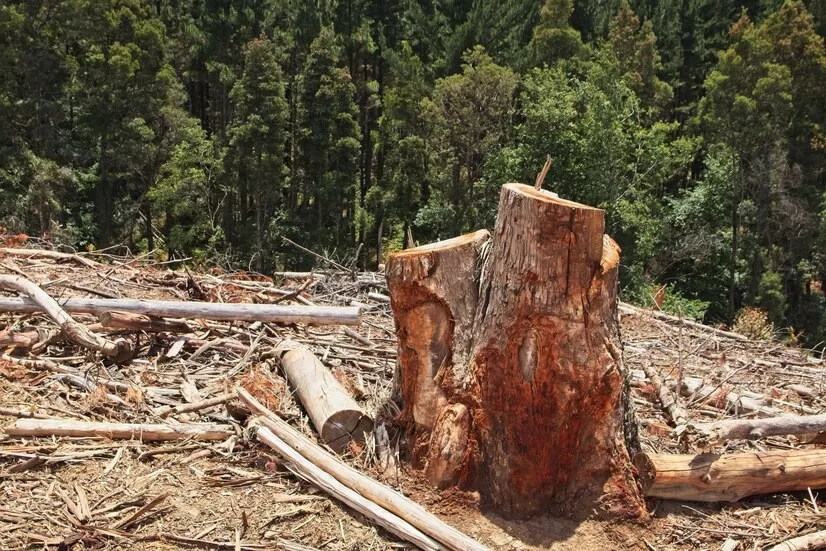
Although we consider every option to preserve your trees, sometimes due to generally poor condition, inappropriate location, unacceptable risk or other criteria, removal is simply the best management option. Some removal projects are quite routine, while others require highly technical skills including working around utility lines, complex rigging or the use of large cranes. Ickes Tree Service employees arborists and tree workers with all the skills necessary to safely complete the most difficult and hazardous removals.
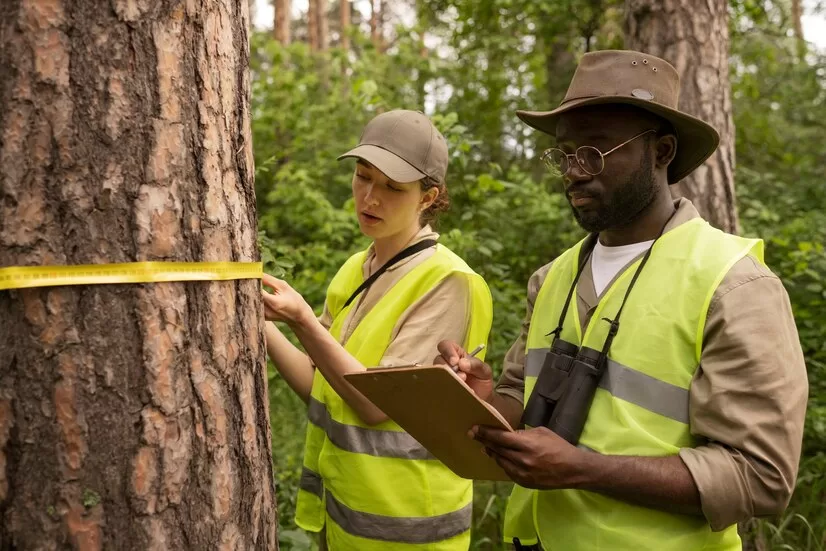
We are equipped to grind any size stump.

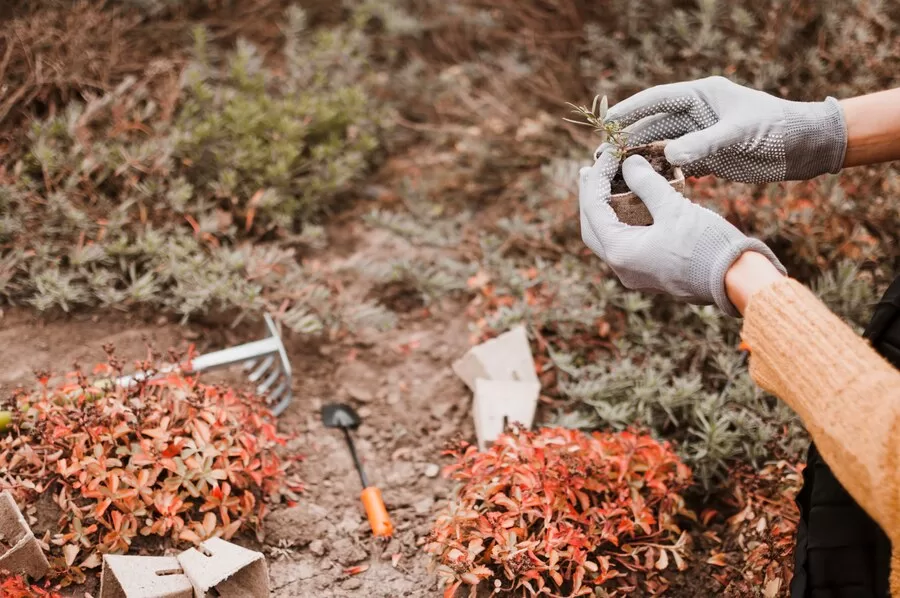
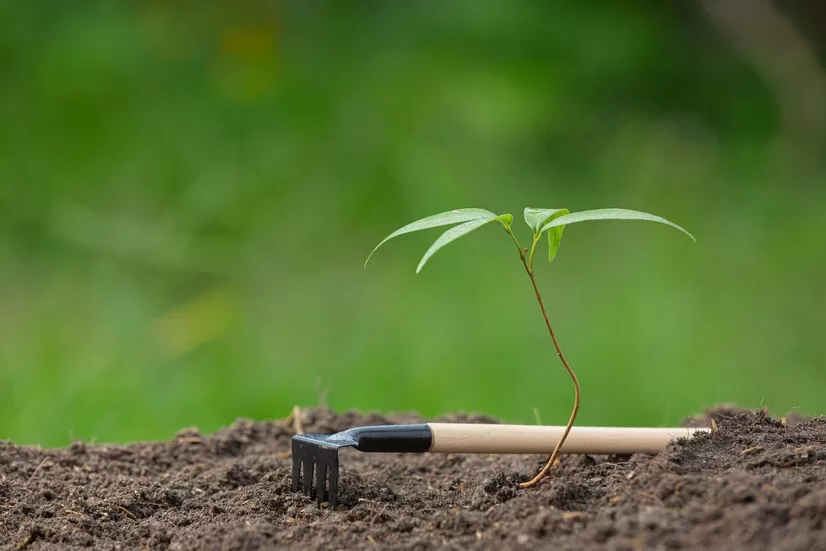
We can also assist with the planting of a replacement tree where appropriate.

Key Benefits

  • Safety for homes, buildings, and people
  • Remove hotspots for insects and disease
  • Increased light, space, and nutrients for other trees
Consultation and Evaluation

We offer consultation services for:

  • Construction
  • Tree Surveys
  • Tree Inventory
  • Hazard Tree Care
  • Standard of Care 

We offer evaluations with either verbal or written reports for:

  • Appraisal
  • Tree Health
  • Structural Inspection
  • Risk Assessment
  • Prescription of Care 
Tree Surgery

Tree surgery covers three basic fields: cabling, bracing, and cavity capping. 

Cabling is when cables are installed in the tree to help reduce forces to a limb crotch area. Cables need to be installed in the proper location and with the proper material. More harm can come from improper installed cables than leaving the tree alone.
Bracing is when holes are drilled into the trunk, usually around limb attachments, and bolts are installed though the tree. Bracing assists cabling, bracing is usually performed with cabling.

Cavity capping is just like what it sounds like. Cavities are cleaned and covered with concrete but other material can be used.  This service has very limited applications and is not usually warranted.  Improper cavity capping or filling will cause many more problems than it fixes. 

These services require a separate license (Tree Surgery) from the State of Alabama.  Verify that your provider is licensed.


Key Benefits

  • Safety
  • Health
  • Appearance
Testing

Soil Testing
There is nothing more important to trees than nutrients. We offer soil sampling and testing for pH, Nitrogen, Phosphorus, and Potassium. We supply an easy to read and understand report that tells the amount and rate of fertilizer to apply. Coupled with Deep Root Fertilization it gives a very precise fertilization for the trees.


Tree Fertilization

Trees that grow in a natural environment tend to be healthier. The main reason for this is because the organic layer that covers the forest floor is undisturbed. The organic layer is a giant compost pile. The compost is used by the trees for nutrients. The organic layer also fights soil compaction by spreading the weight of any traffic over a wide area.

Trees that grow in our yards often have a nutrient deficiency. The deficiency is caused by removing the organic layer and introducing competition. The organic layer is removed during construction to allow the soil to compact better. Competition comes from grasses, shrubs, and flowers. The tree now has lost the compost pile and must compete with other plants for the nutrients that are not being replaced naturally.

Trees might need a general fertilizer or a special micro-nutrient fertilizer to corrects certain deficiencies. A licensed tree surgeon will be able to tell what needs done.

Trees can be fertilized several different ways. Different methods are listed below to give you an idea of what your tree may need.


Vertical Fertilizing\Mulching
Vertical fertilizing is one of the most popular methods of fertilizing trees. This method uses an auger to drill holes into the soil in a grid pattern. The holes are drilled to a depth of between 12 and 18 inches deep. At this depth, grass roots can't reach the fertilizer. The purpose of the pattern is to cover as much of the root area as possible. A fertilizer that incorporates macro and micro nutrients is the best for feeding trees. A fertilizer for trees should be of a 3-1-1 or a 3-1-2 ratio. (i.e. 12-4-4 or 12-4-8) This method amends nutrient deficiencies in the soil.

Vertical mulching incorporates mulch and\or mychorrhizae fungus into the soil. Mulch is used to lessen soil compaction. Mychorrhizae fungus is a beneficial fungus that aids the tree in uptake of nutrients.

Liquid Soil Injection
This method uses the same pattern and depth as vertical fertilizing. The only difference is that a liquid fertilizer is used instead of a dry granular. This method also amends nutrient deficiencies in the soil.

Tree injection
This method uses a liquid which is forced into the vascular system of the tree. This method does not amend the soil and will not correct soil deficiencies. Tree injection is best when used with soil amendment. Tree injection can be harmful to the tree if improper done. Tree injection should be used when the tree may become too stressed or die before it can absorb soil fertilizer.

At Ickes Tree Service, Inc, we use Liquid Soil Injection and\or tree injection to correct nutrient deficiencies. Call today for a quote on this valuable service.

Key Benefits

  • Amends nutrient deficiencies in the soil
  • Increases Root Growth
  • Offers resistance to drought and disease
Copyright 2011 © Ickes Tree ServicePrivacy Statement : Terms Of Use :Login    Web Design by: BIS Designs

  • Home
  • Services
  • Consultation
  • Quote Form
  • History
  • Educational
  • Photo Gallery
  • Mulch
  • Ask the Expert
  • Testimonials
  • Contact Us
  • Articles